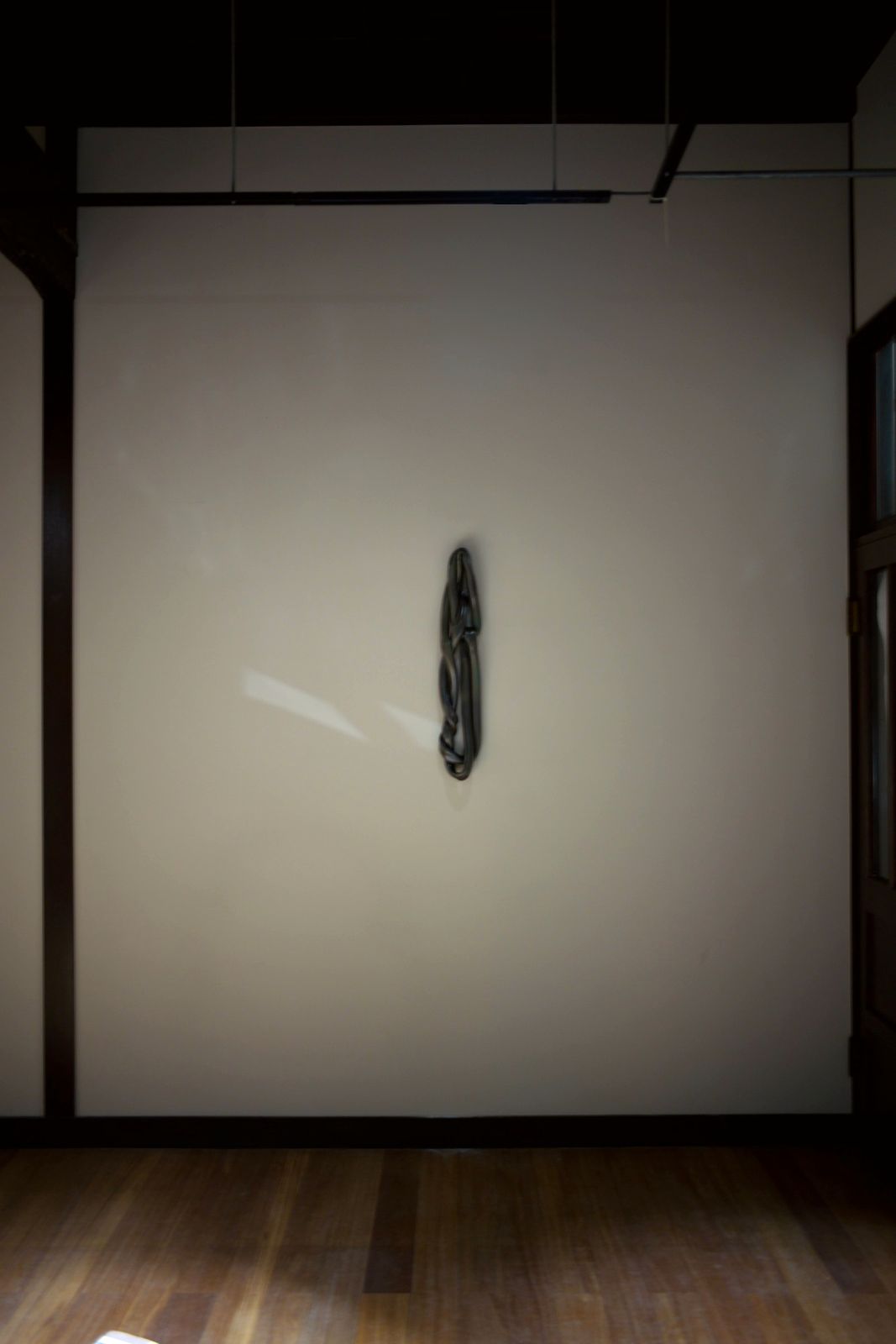
HsiaoAi Wang
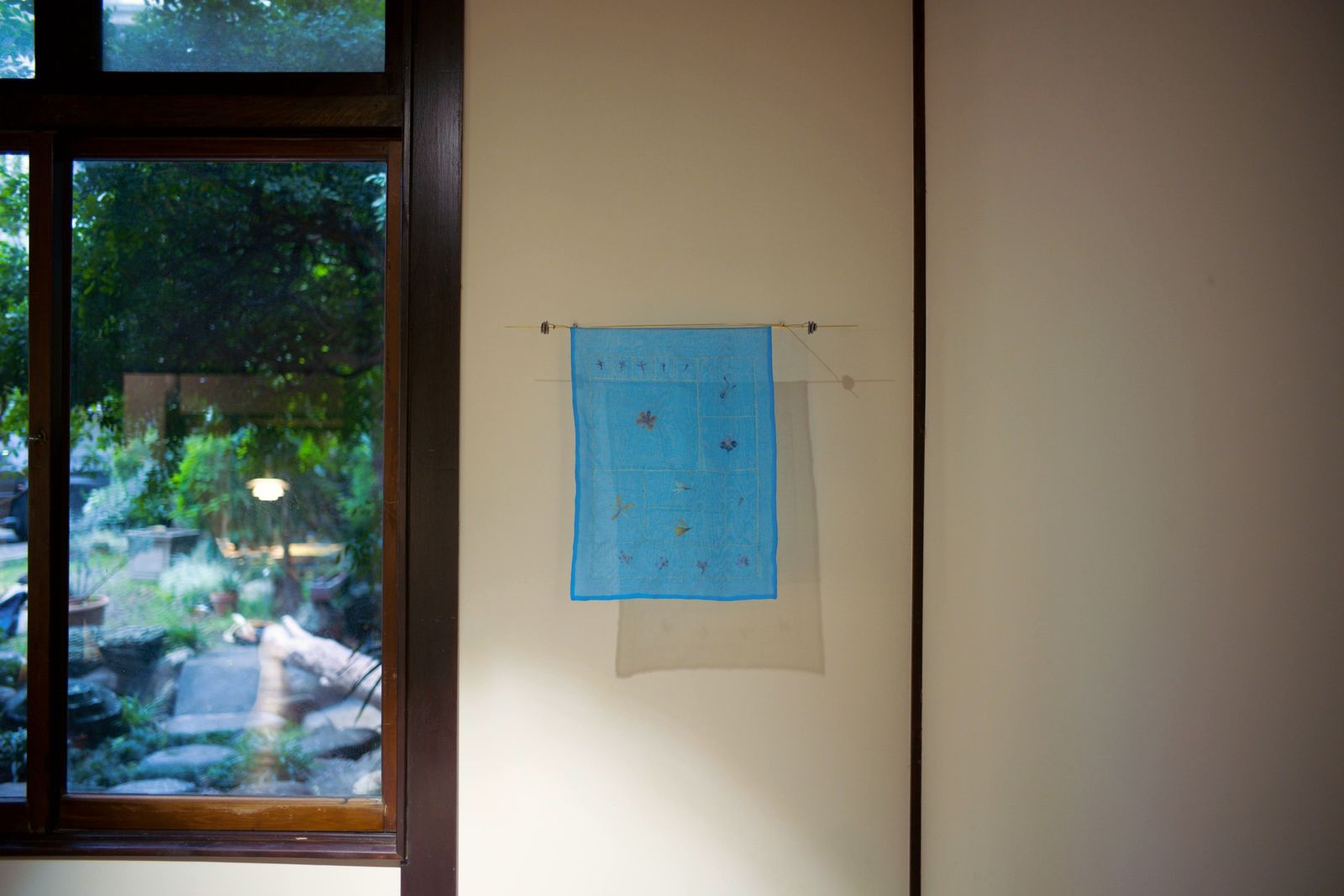
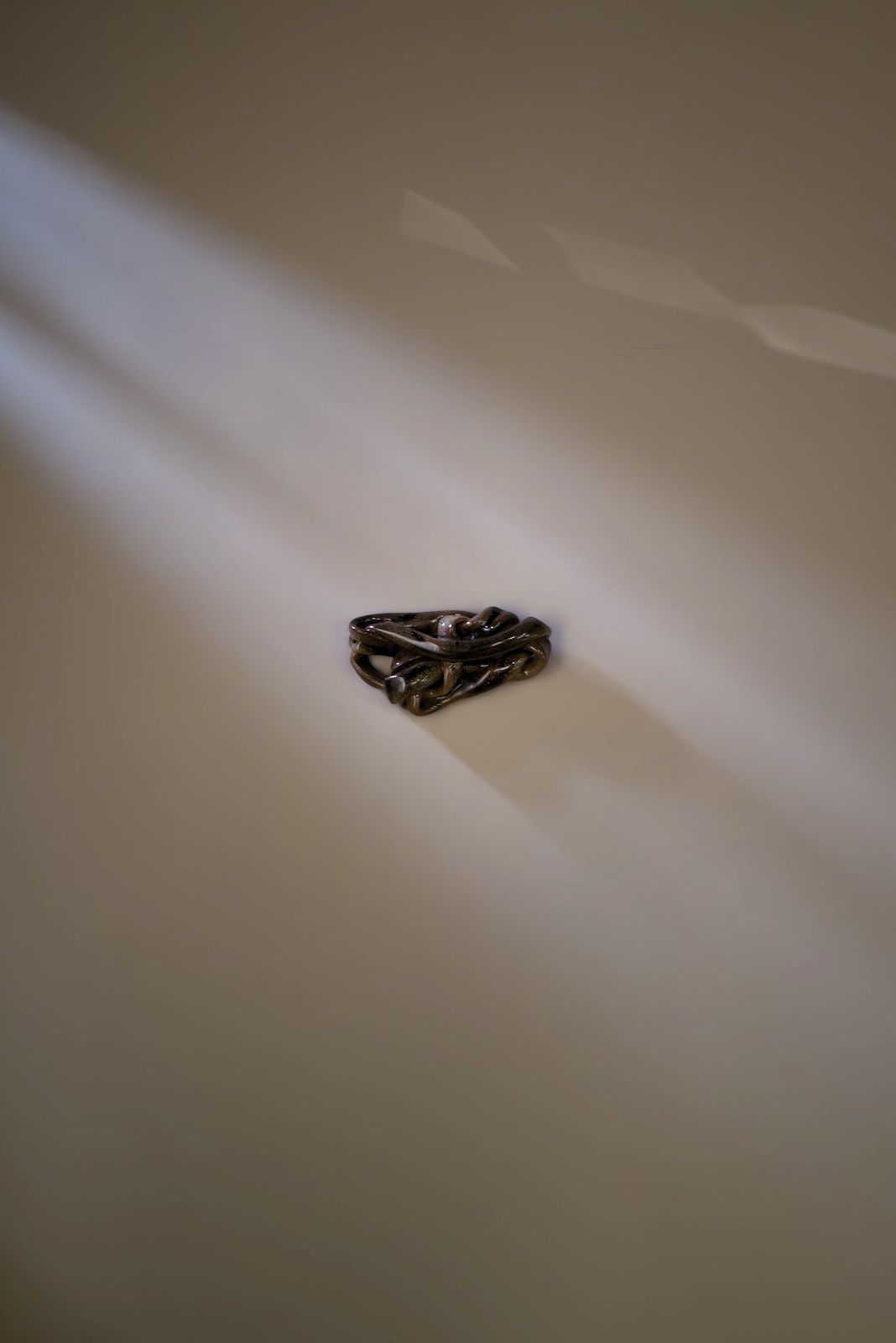
Silk thread, organza, stone, brass
40 × 30 cm

Taichung, 1035 Collab
台中・1035 Collab
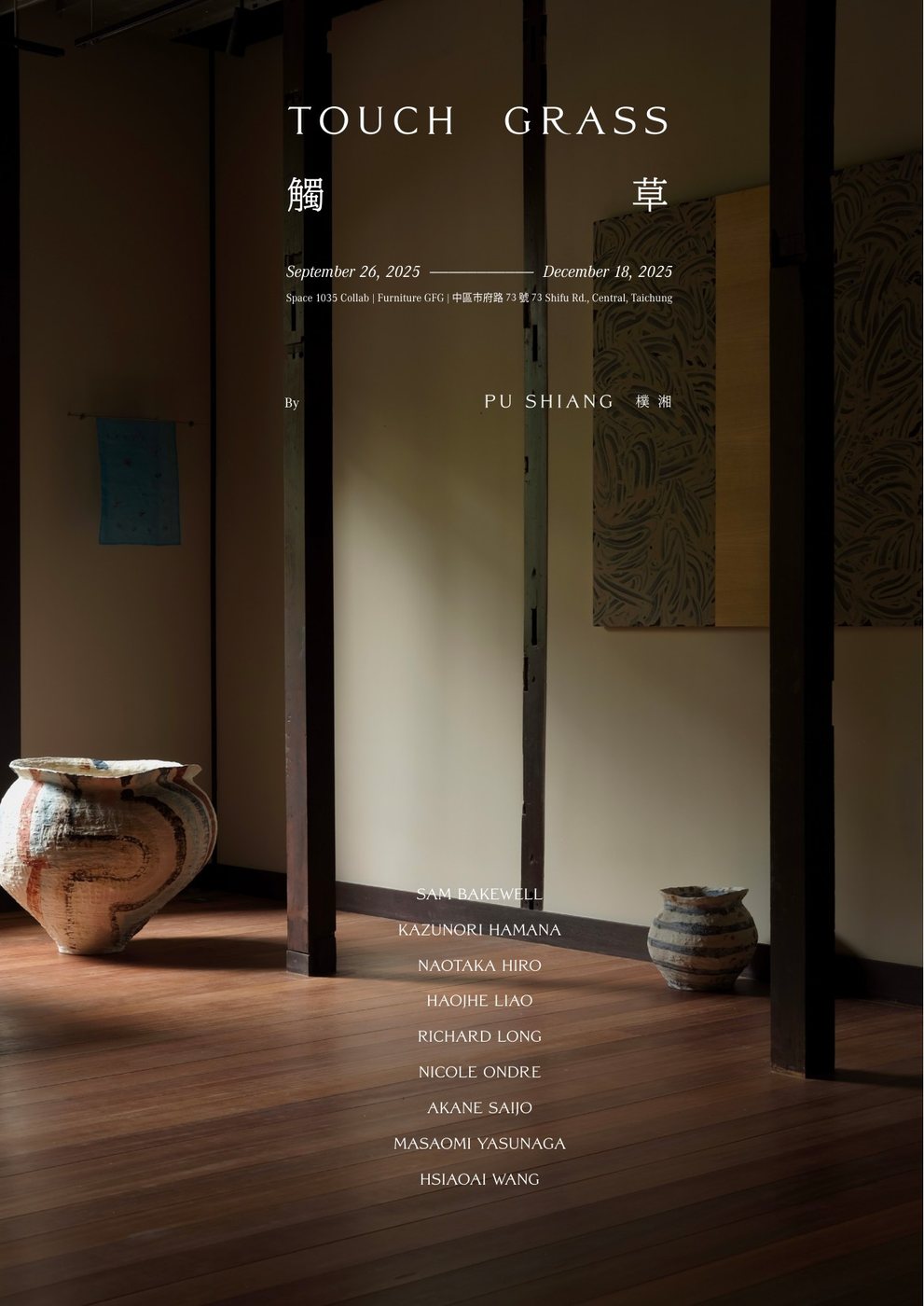
26 September – 18 December 2025
2025.09.26 – 2025.12.18
Sam Bakewell, Kazunori Hamana, Naotaka Hiro, Haojhe Liao, Richard Long, Nicole Ondre, Akane Saijo, Masaomi Yasunaga, HsiaoAi Wang
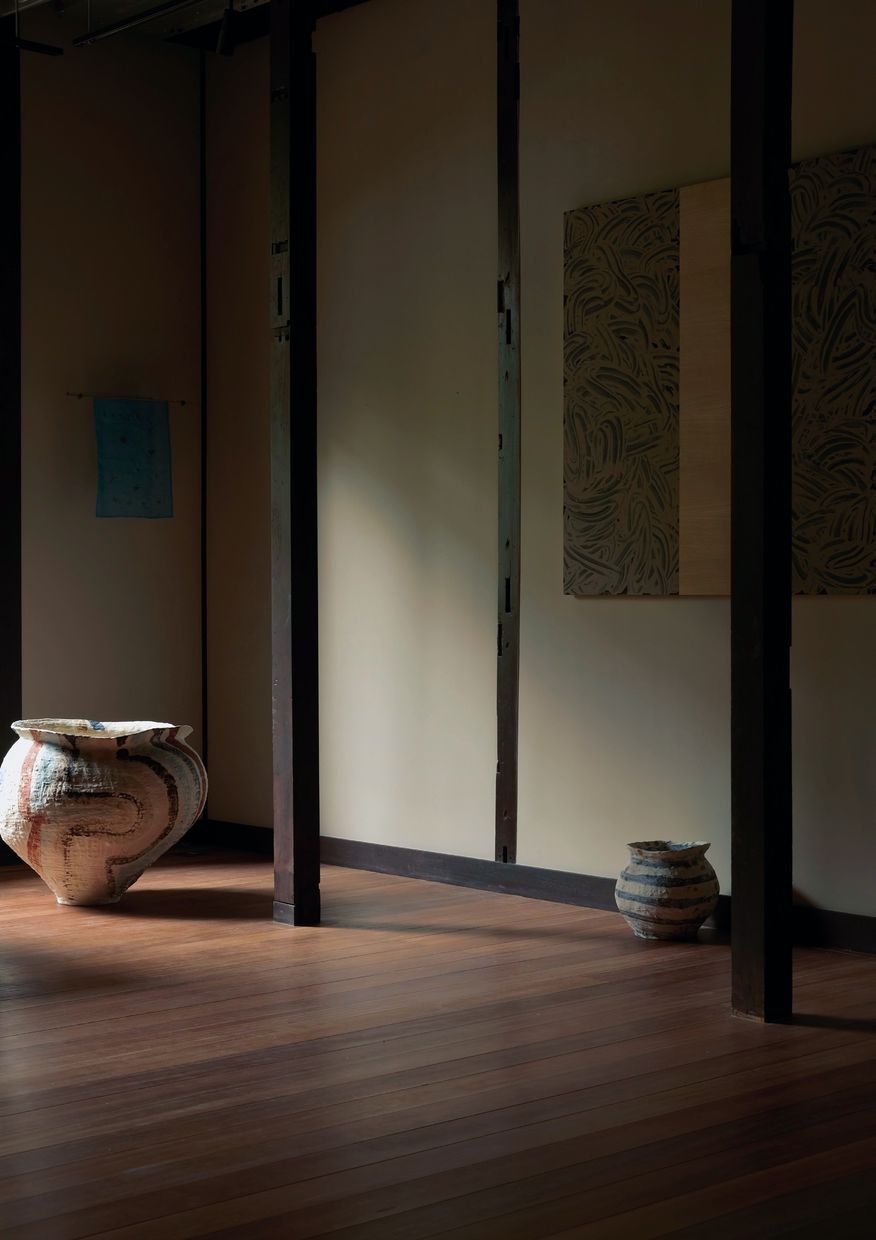
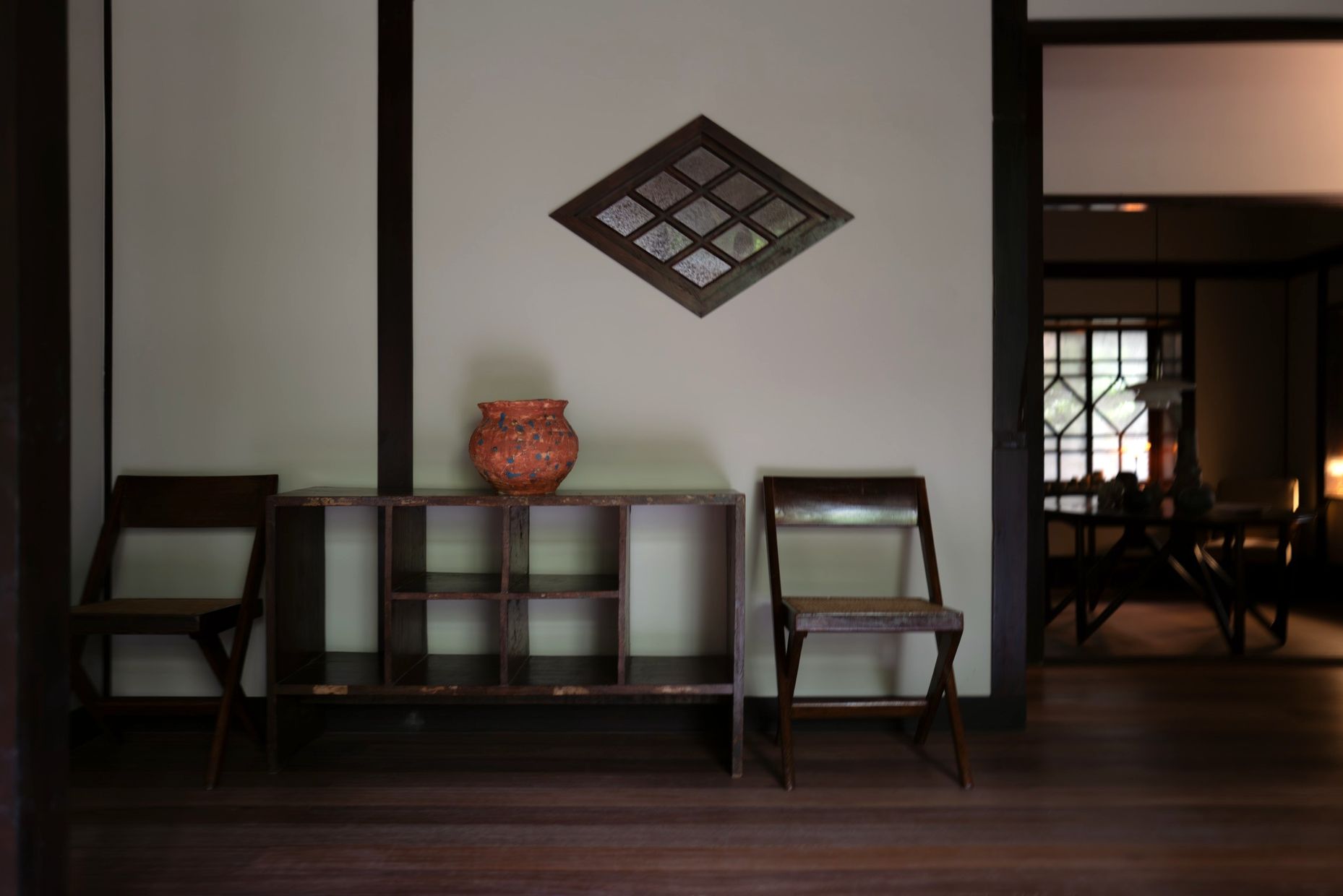
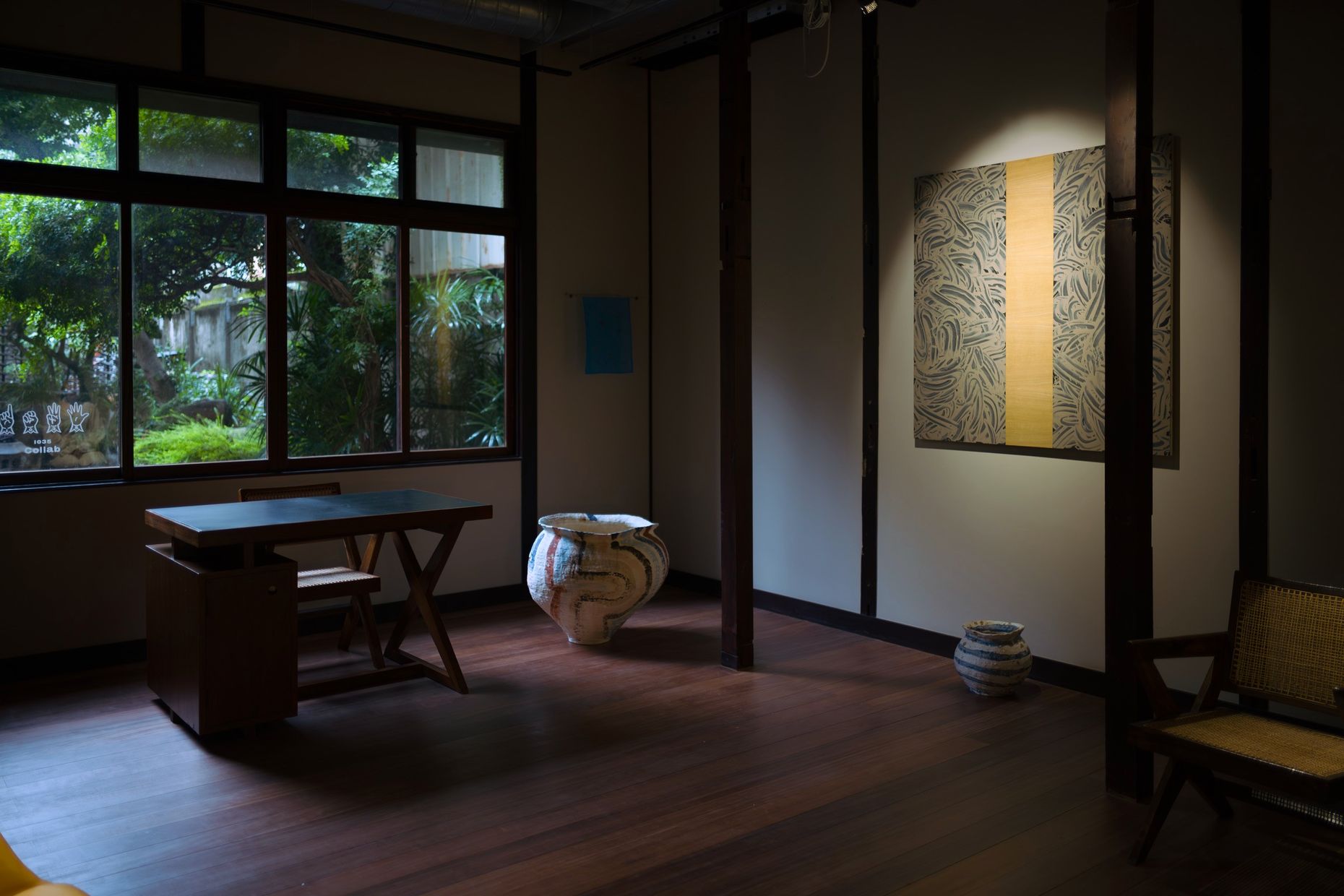
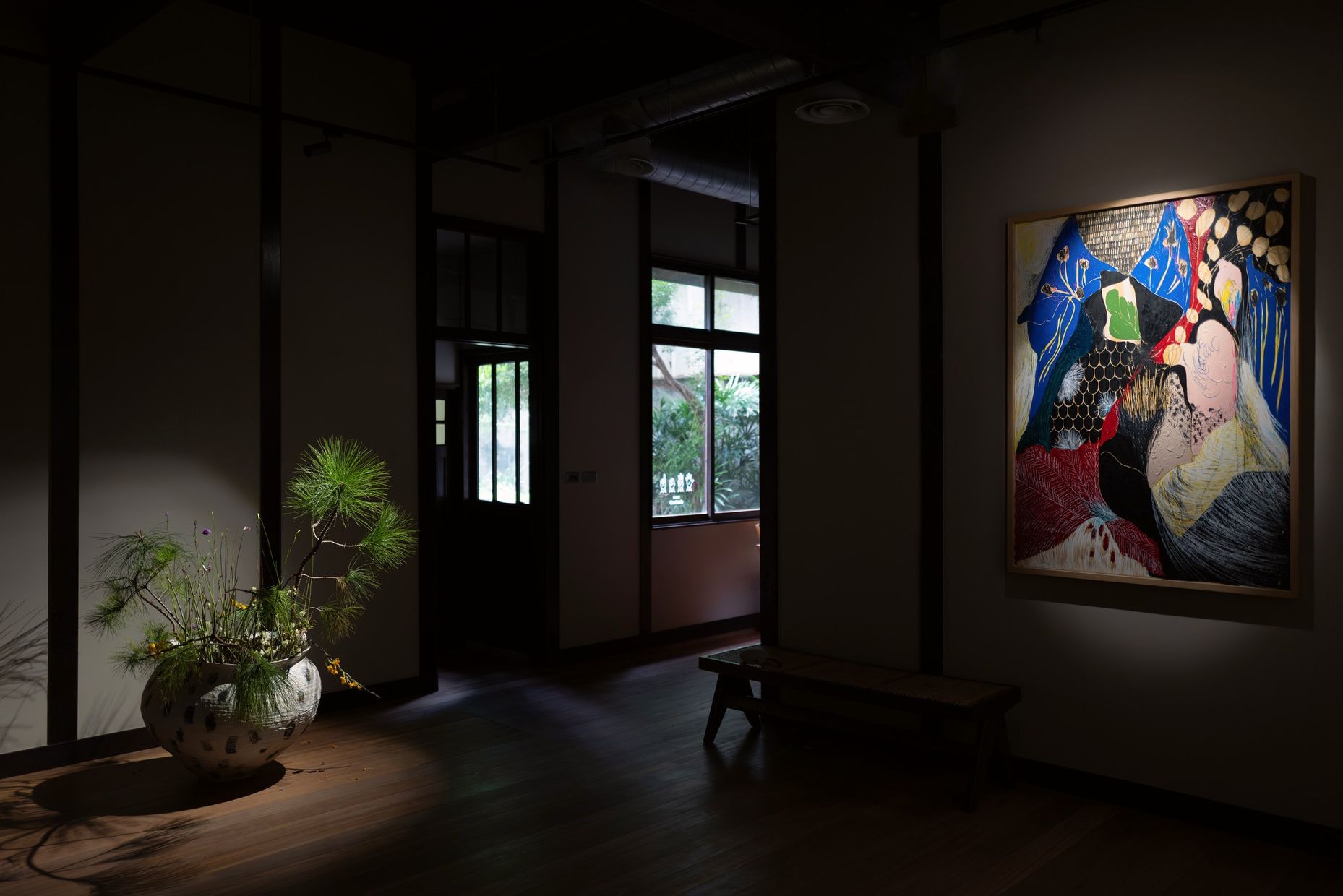
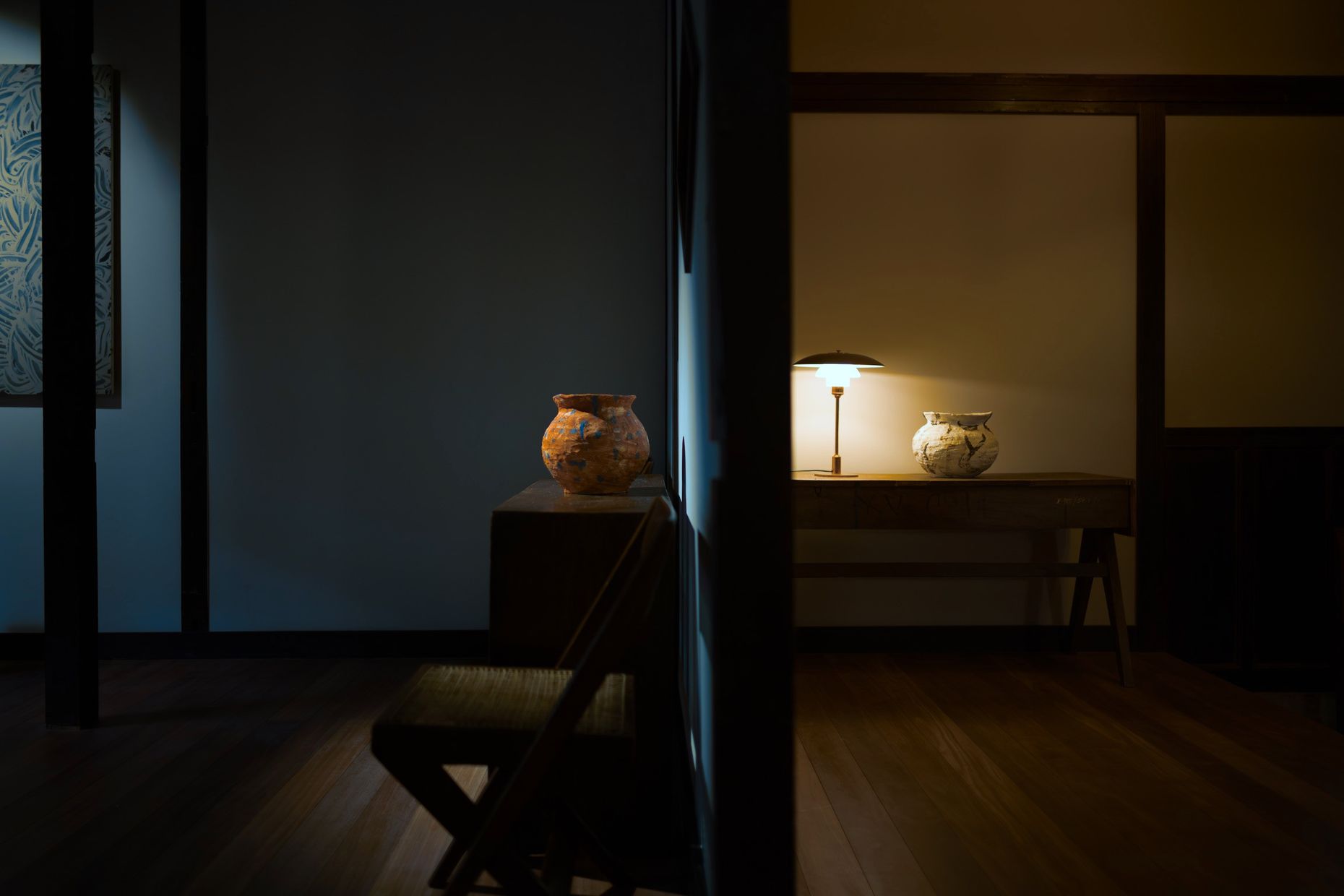
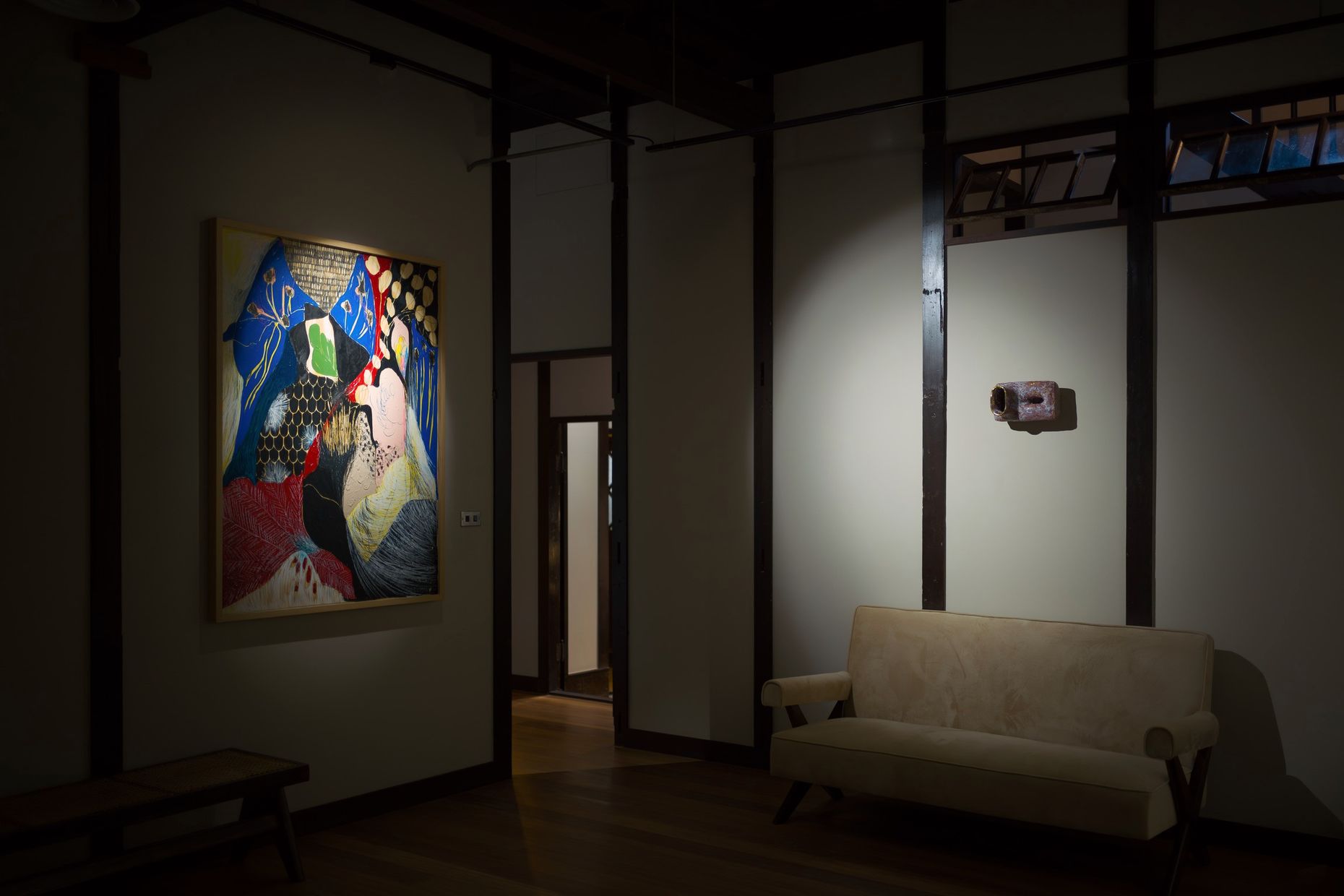
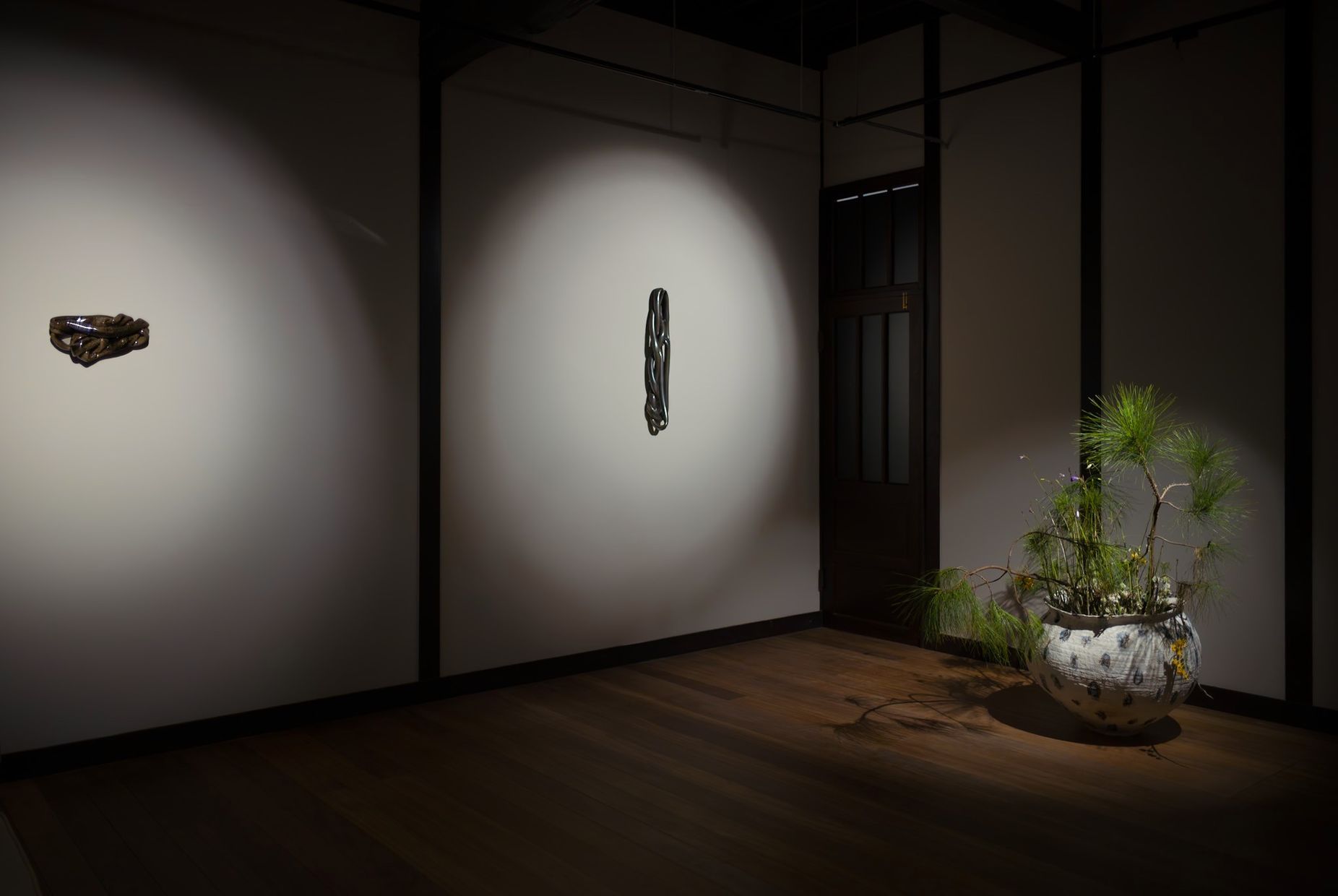
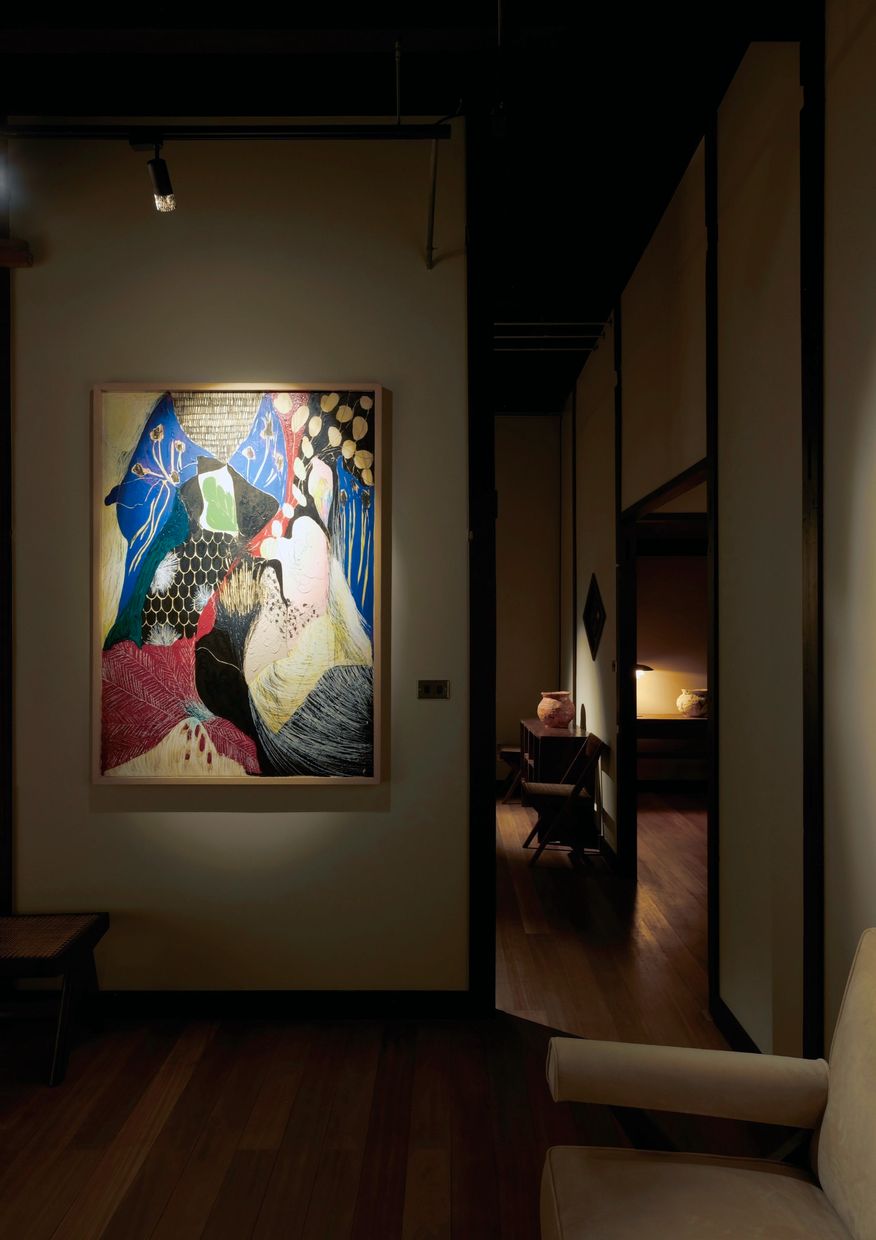
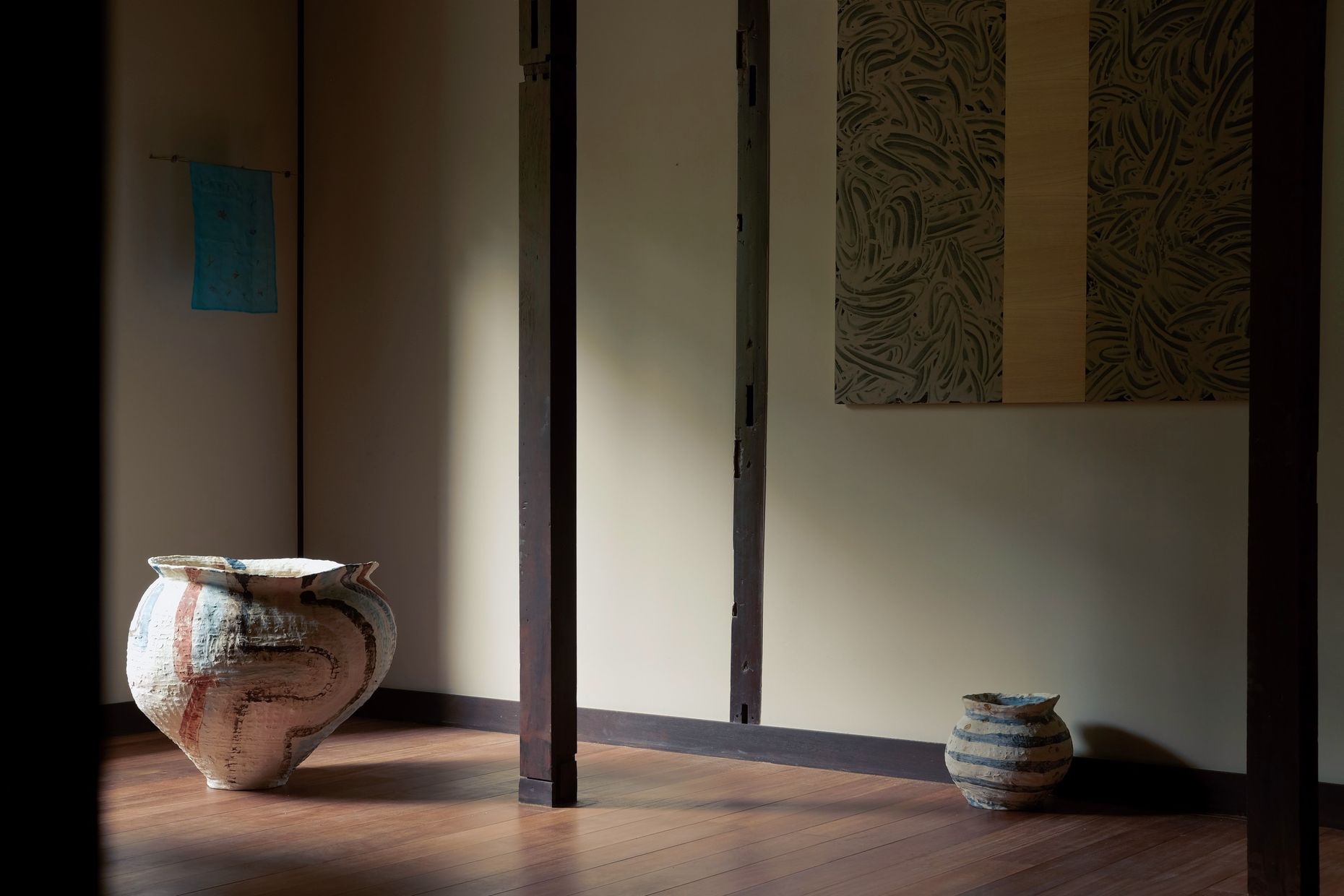
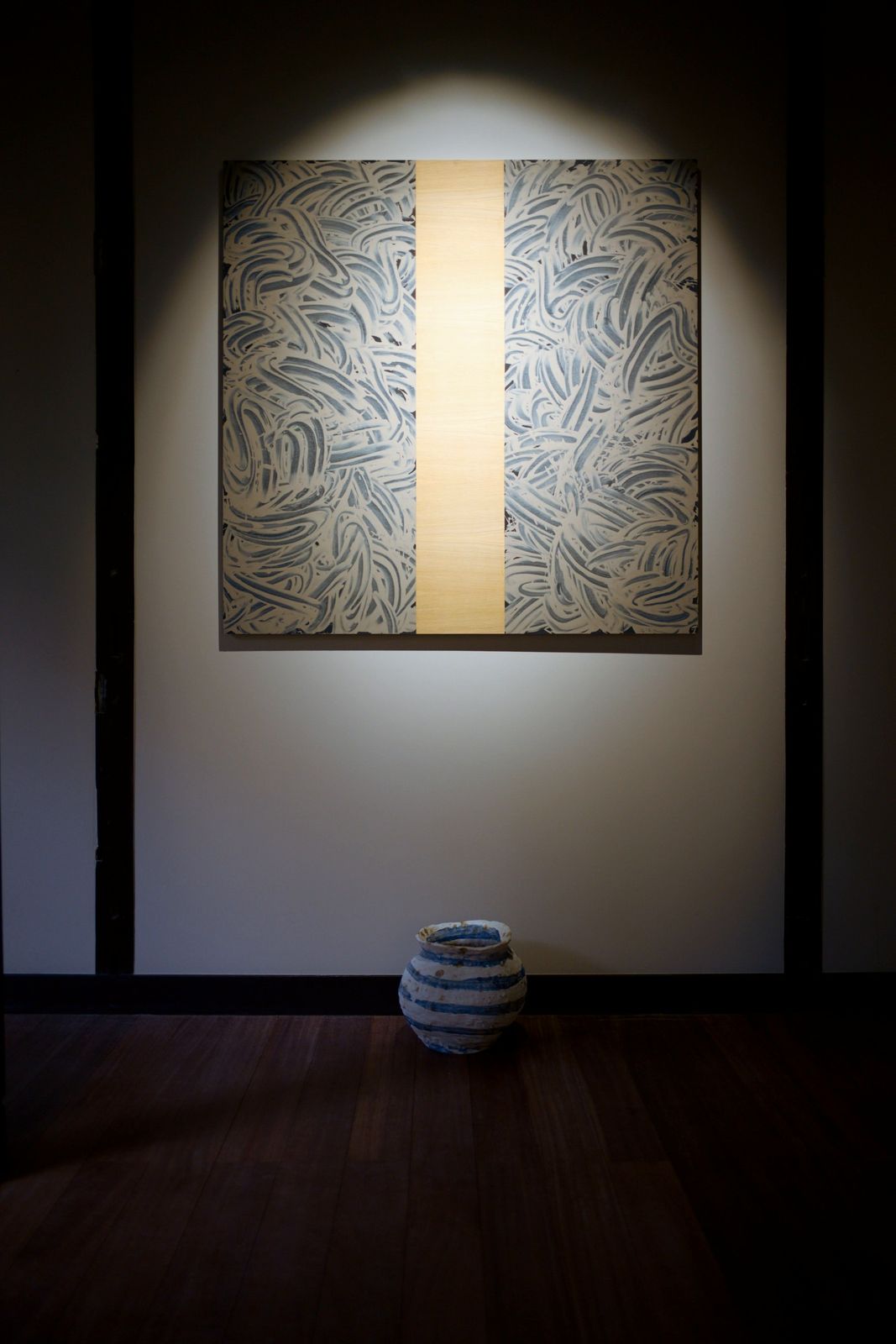
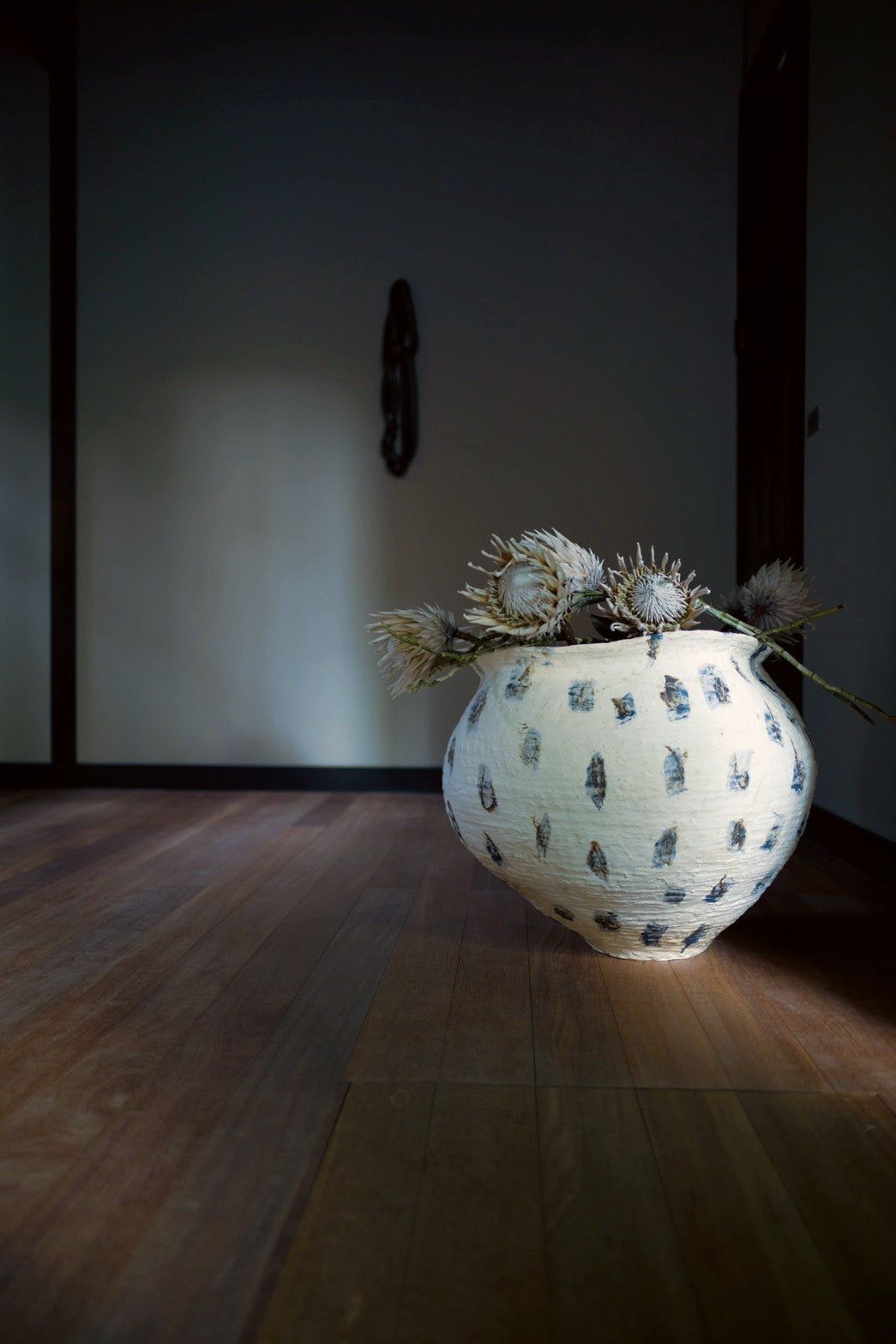
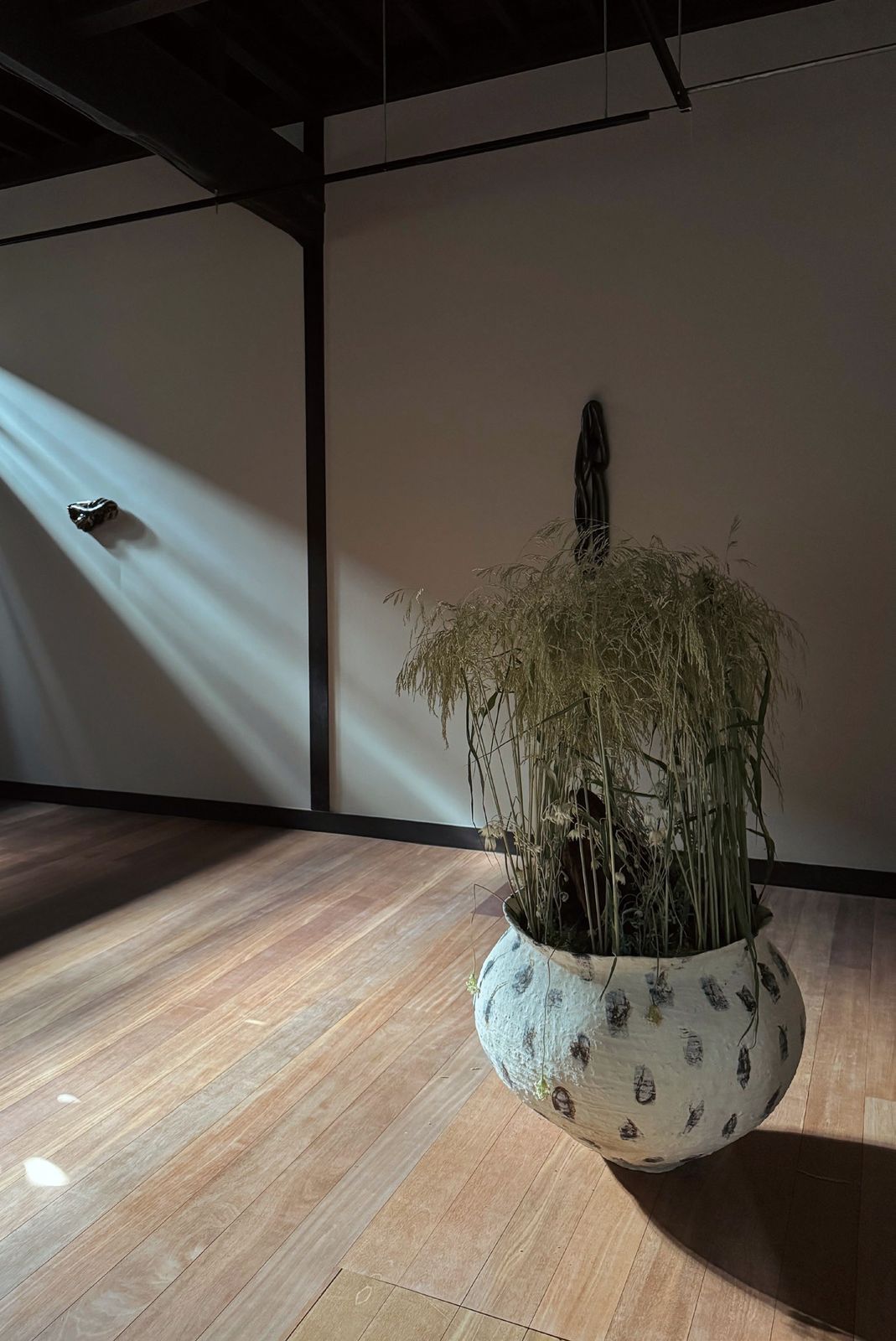
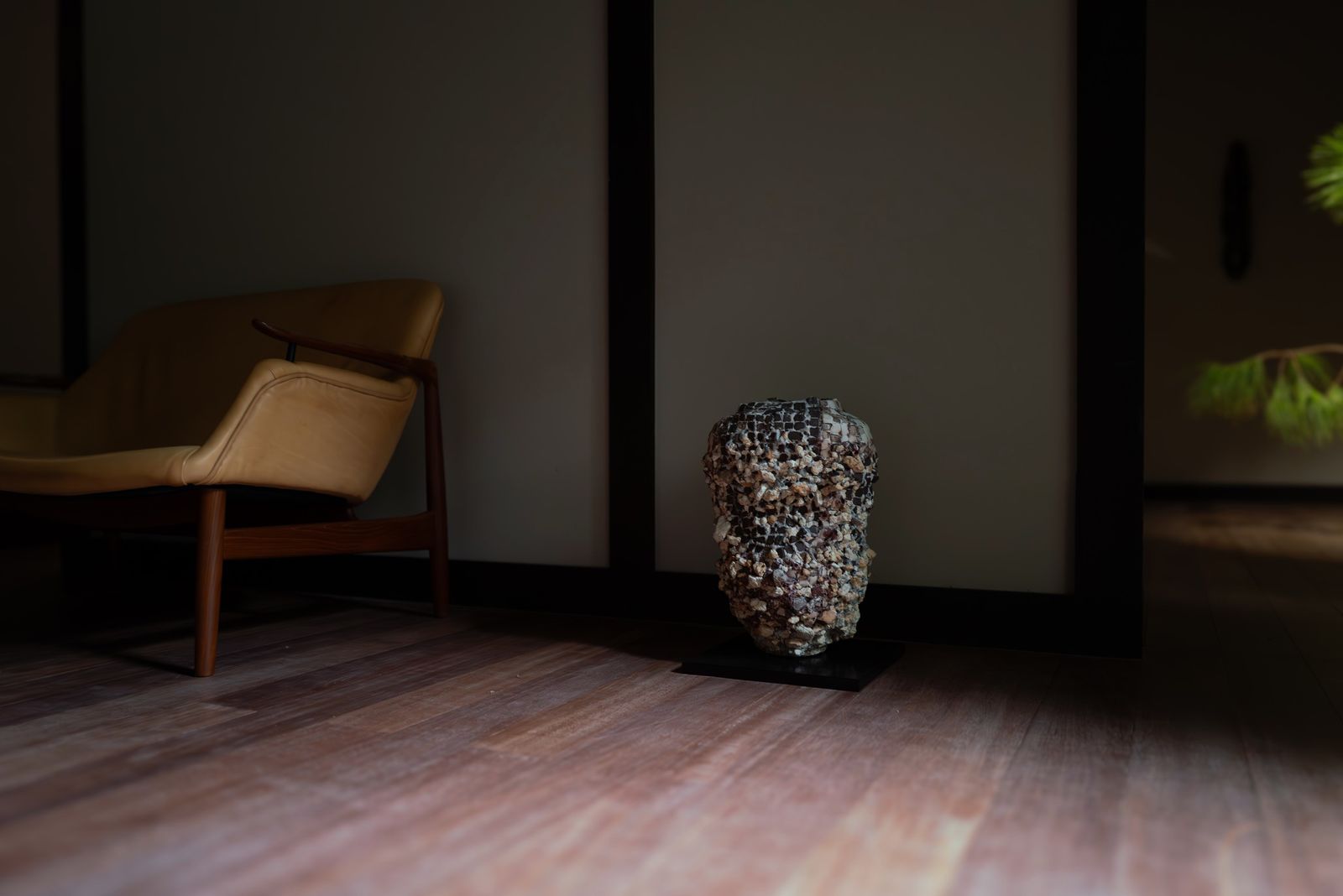
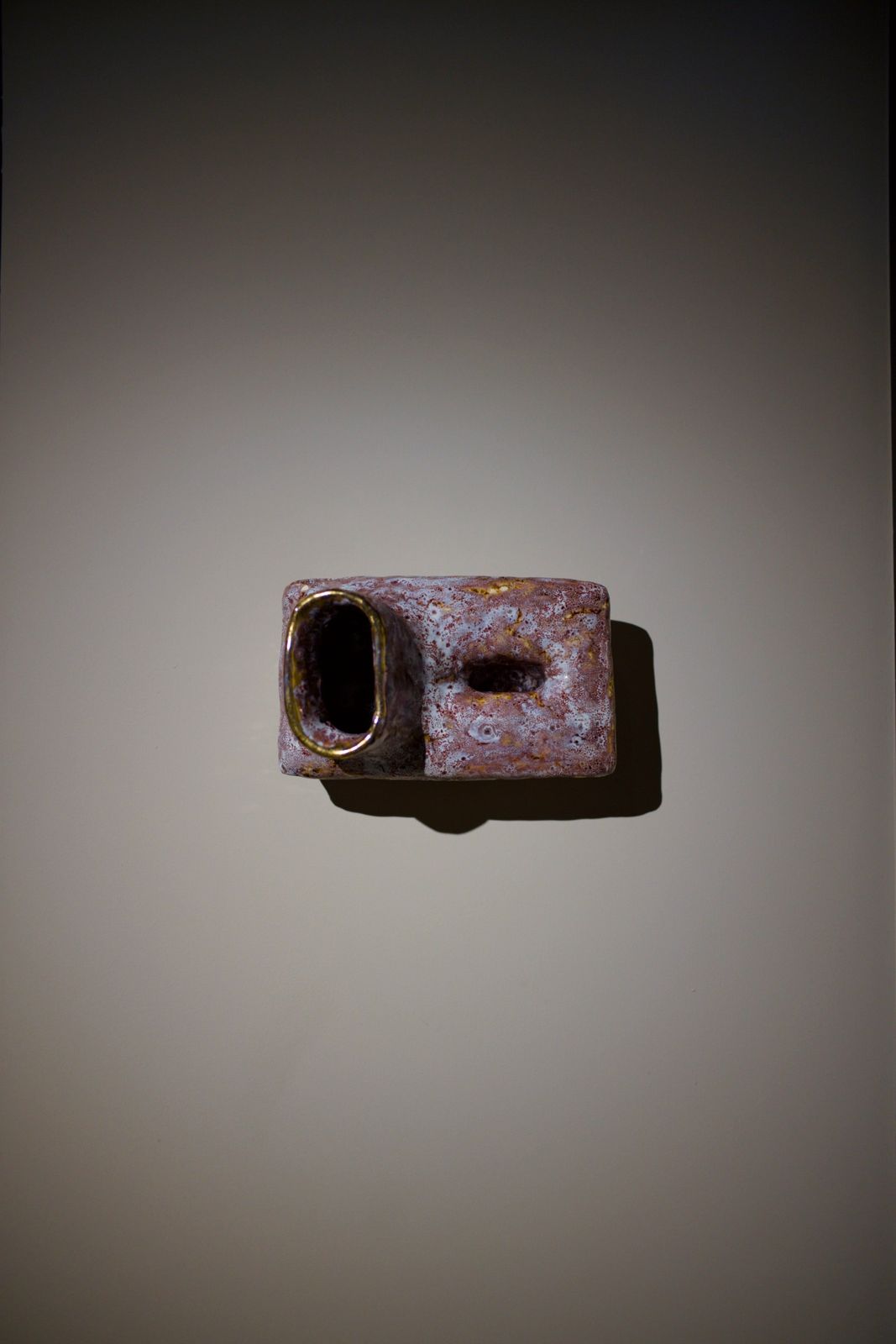
“How might creators, through a gentle sensibility, connect nature and humankind?” Anthropologist and mythologist Toshiaki Ishikura poses this question in The Footprints of Objects. Through precisely that tenderness of perception, artists transform natural materials into a medium that links people with the natural world. Ceramist Kazunori Hamana, who also works as a farmer and fisherman, lets his jars weather in the wind and sun, allowing them to change on their own. The vessels acquire a rustic surface charged with quiet poetry. Richard Long, by walking the land, turns mud from the rivers of his home into an artistic vocabulary, bringing forth works closely bound to place. Nicole Ondre reinterprets the concept of the “knot” in clay, shaping forms that appear spare yet hold palpable force. Masaomi Yasunaga departs from pottery’s conventional functionality, drawing inspiration from archaeological finds and using glaze together with feldspar, stone, metal, or powdered glass to construct new possibilities for sculpture.
As Akira Minagawa writes, “By coming into contact with the emotions embedded in objects, one can awaken the feelings within oneself.” These works are therefore more than external objects. They function as channels to our inner life, reattuning our sense of resonance with the natural world. The point of contact between nature and human beings is not confined to material vessels. It lies more deeply in our spiritual and emotional life, where such objects become a crucial conduit to inner perception.
Since moving into a new environment, I have found that living with art in daily life has opened many forms of sensory awareness. In times of exhaustion, these works, bearing their makers’ emotions and ties to the natural world, reorder my emotions and perceptions, becoming my point of contact with nature. When information streams and screens numb the senses, these works become my oasis in the city.
The exhibition borrows the Gen Z colloquialism “Touch Grass,” which urges us to set aside our phones and social media, step outdoors, and embrace the real world. The phrase becomes the exhibition’s metaphor: artworks born from nature and nourished by it invite us to remember to touch the earth (the grass), to awaken our senses, and to reclaim the precious capacity to reconnect with ourselves.
人類學與神話學家石倉敏明在《器物的足跡》中所說:「創作者如何用其溫柔的感性連結自然與人類」。藝術家透過溫柔的感性,將自然素材轉化為能夠連結人與自然的媒介。身兼農夫跟漁夫多重身份的陶藝家 Kazunori Hamana 選擇讓陶罐在風吹日曬中自然蛻變,作品呈現出古樸又富含詩意的質地。Richard Long 透過在自然間行走,將家鄉河川的泥土化為藝術語彙,孕生出與土地緊密相連的作品;Nicole Ondre 將「結」這個概念以陶重新詮釋,形構出看似簡約卻充滿力度的作品。Masaomi Yasunaga 跳脫陶藝以往的功能性,利用考古出土物為靈感,以釉劑輔以長石、岩石、金屬或玻璃粉去構築雕塑新的可能性。
皆川明在書中也談及:「藉由接觸『東西』蘊含的情感,能喚醒使用者心中的情感」。這些作品不僅是外在的物件,更像是開啟內在情感的橋樑,引導我們重新感受與自然之間的共鳴與連結。自然與人類的接口不僅存在於物理的器物中,更深藏於我們的靈性與情感之中,成為連結內在感知的重要媒介。
自搬入新環境以來,在生活裡與藝術共處,開啟了許多感官上的覺察。當疲憊不堪時,這些承載創作者與自然連結的作品,重新整理了我的情緒與感受,成為我與自然的接口。當資訊與螢幕讓人麻痺時,它們成為了我在城市的綠洲。
展覽「Touch Grass」借用了 Z 世代的俚語——鼓勵彼此放下手機與社群媒體,走出戶外、擁抱真實世界。這也成為展覽的隱喻:這些取材自自然、汲取自然養分的藝術作品,邀請我們重新記得去觸摸大地(草),喚醒感官,重新拾回與自我連結的珍貴能力。
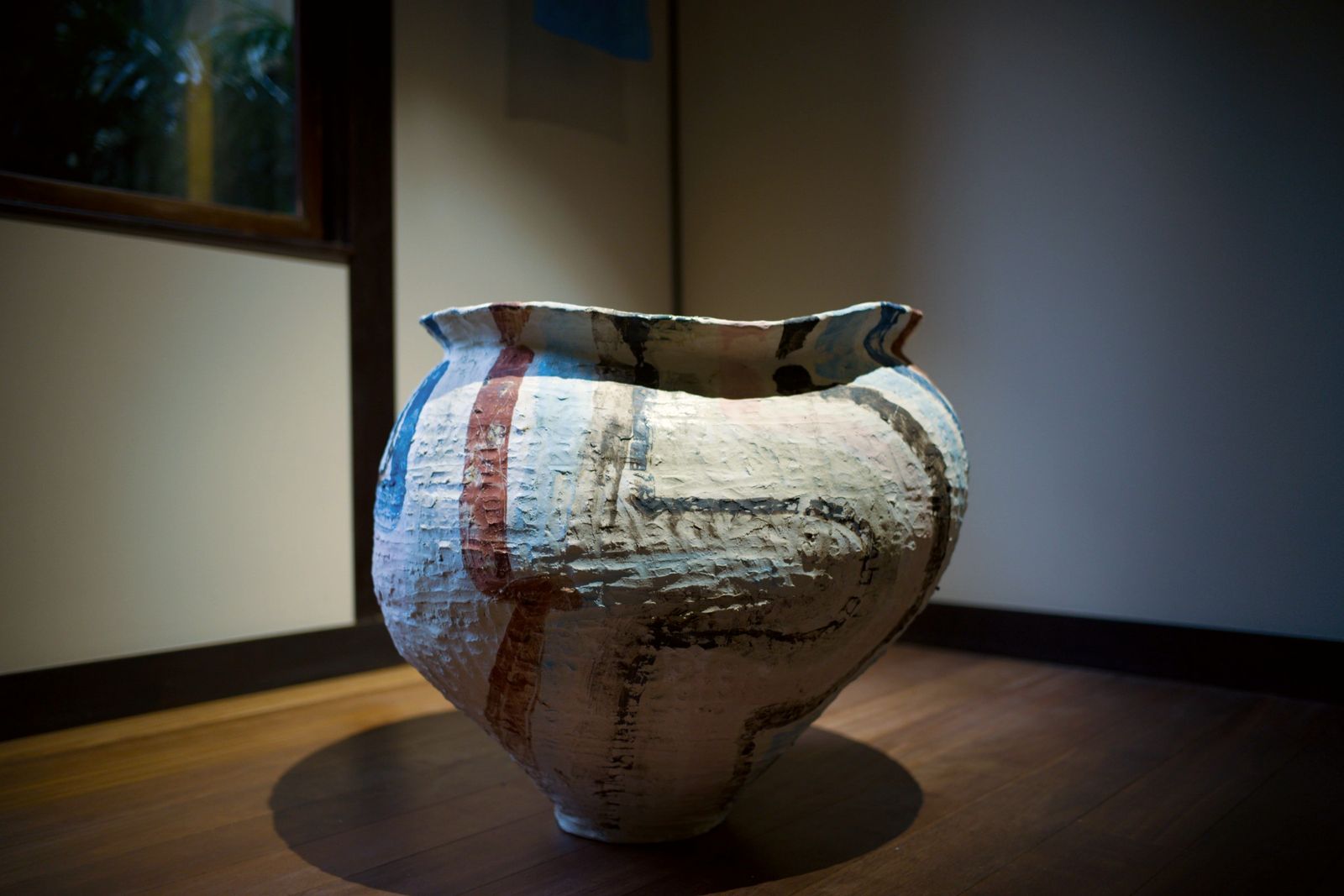
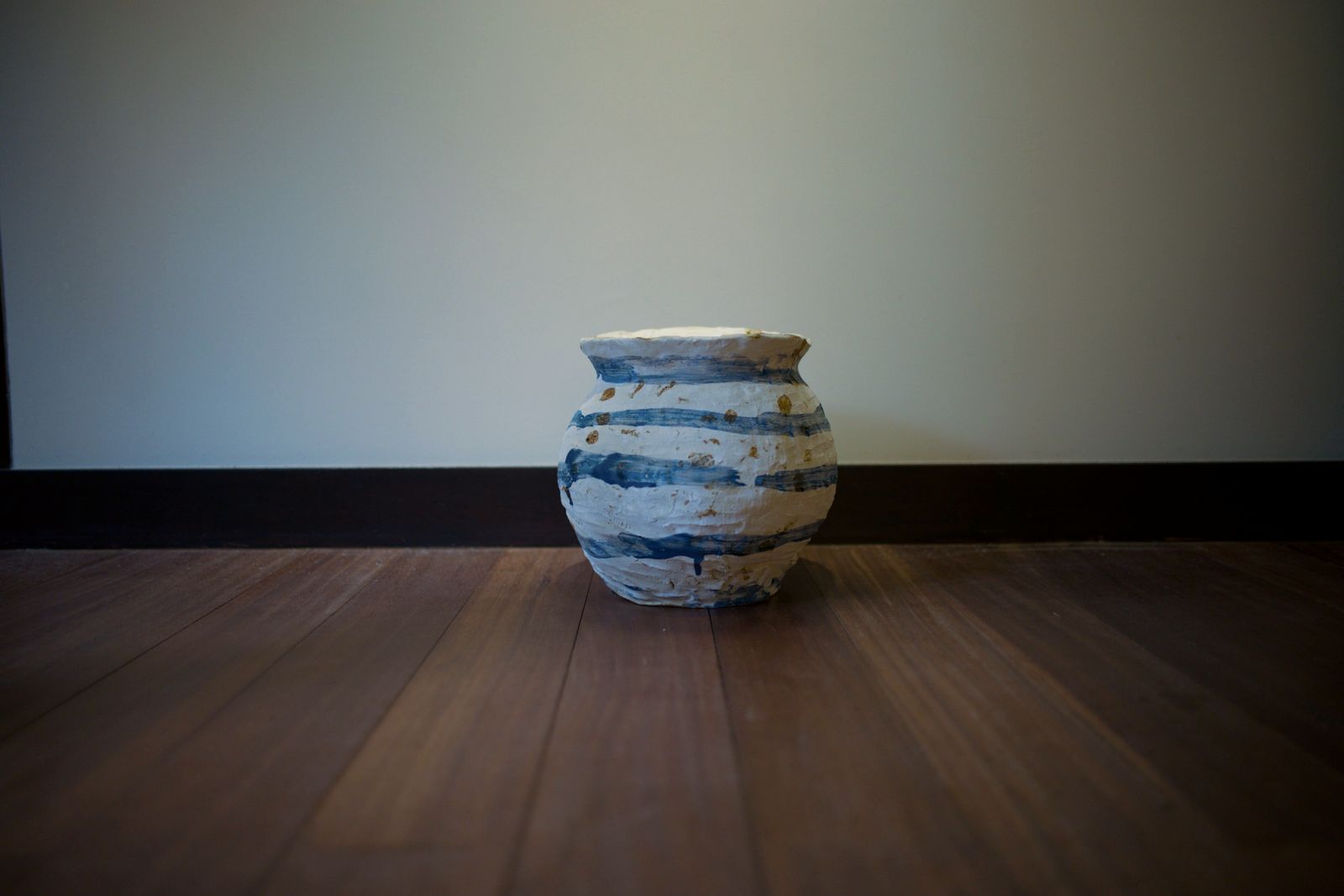
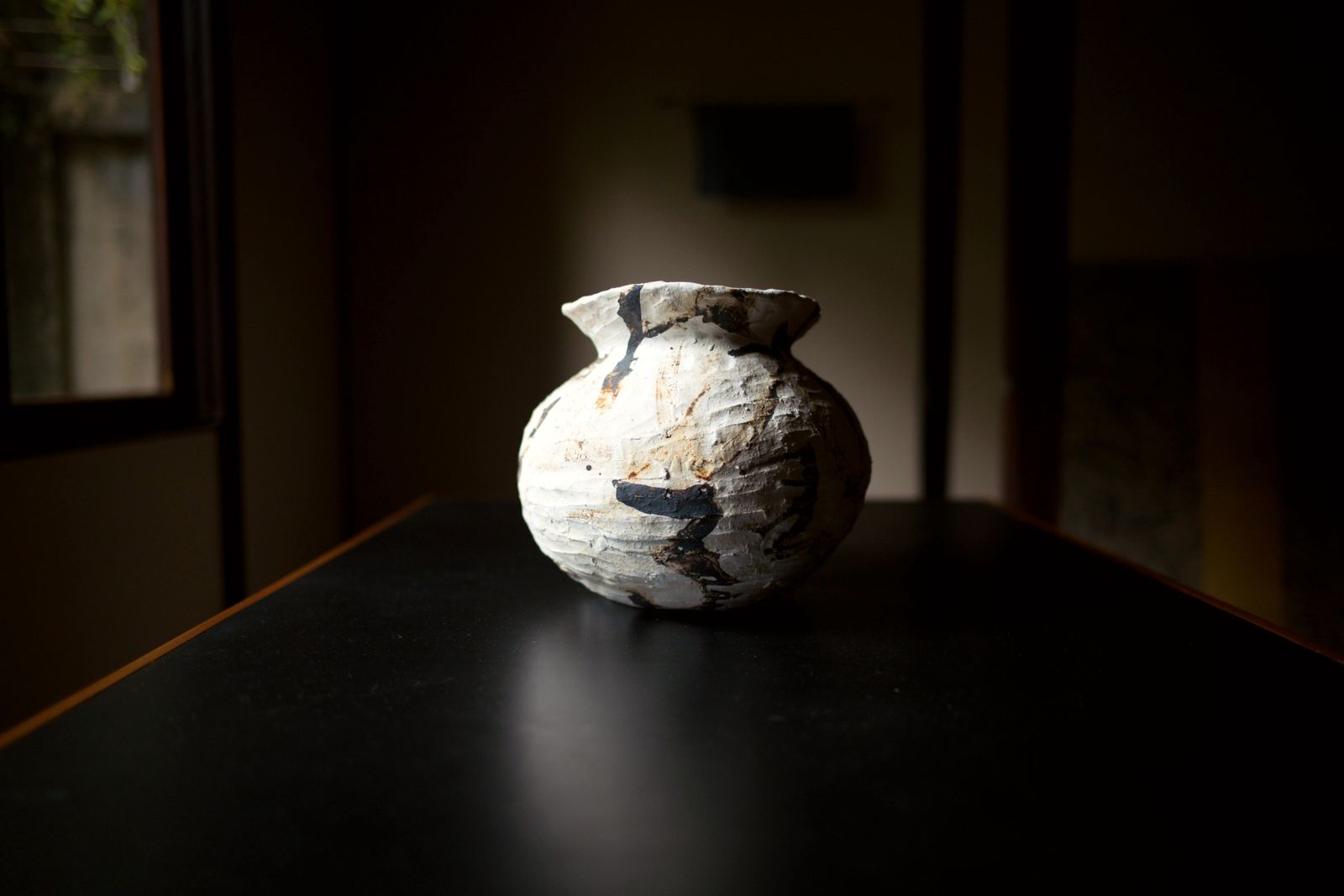
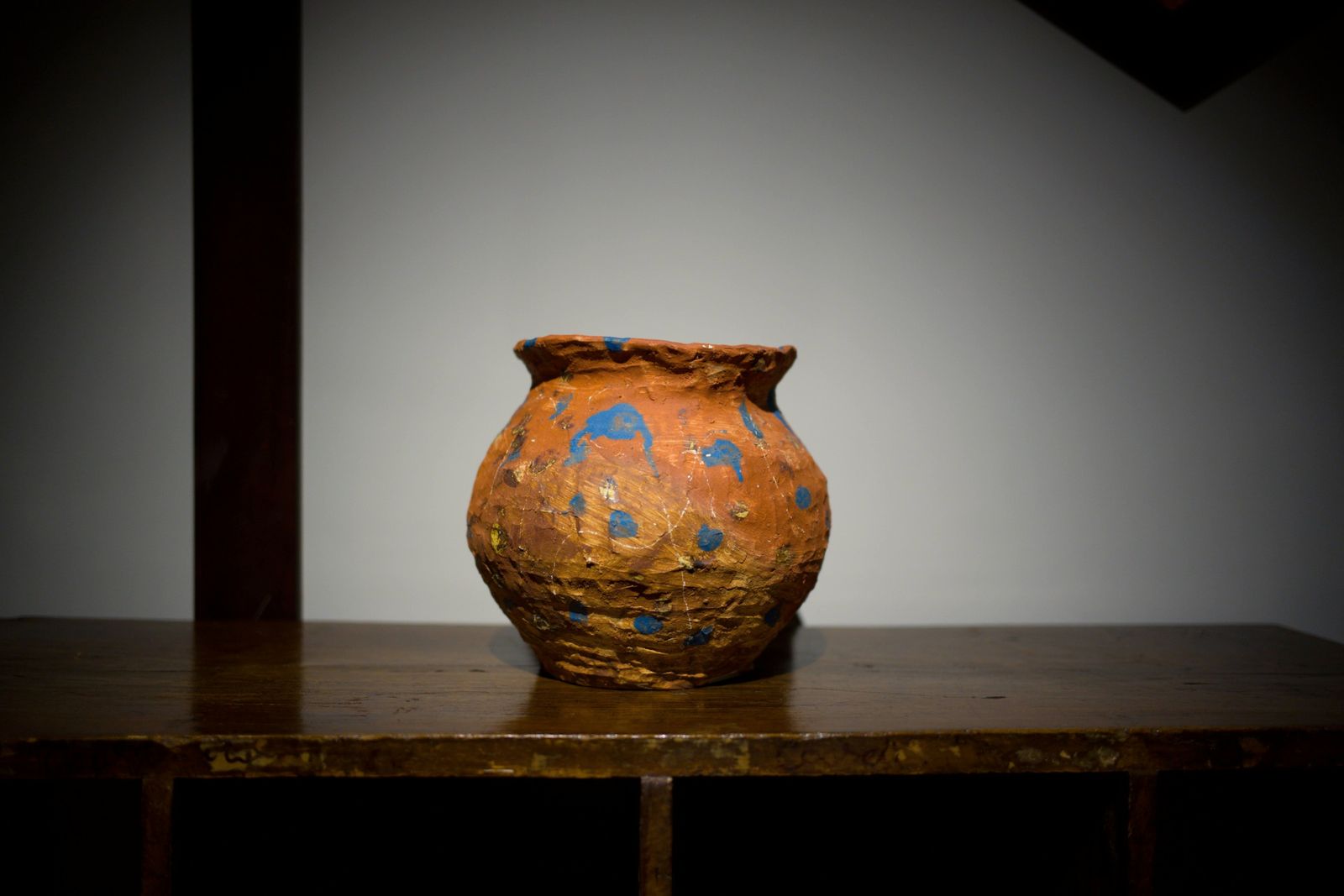
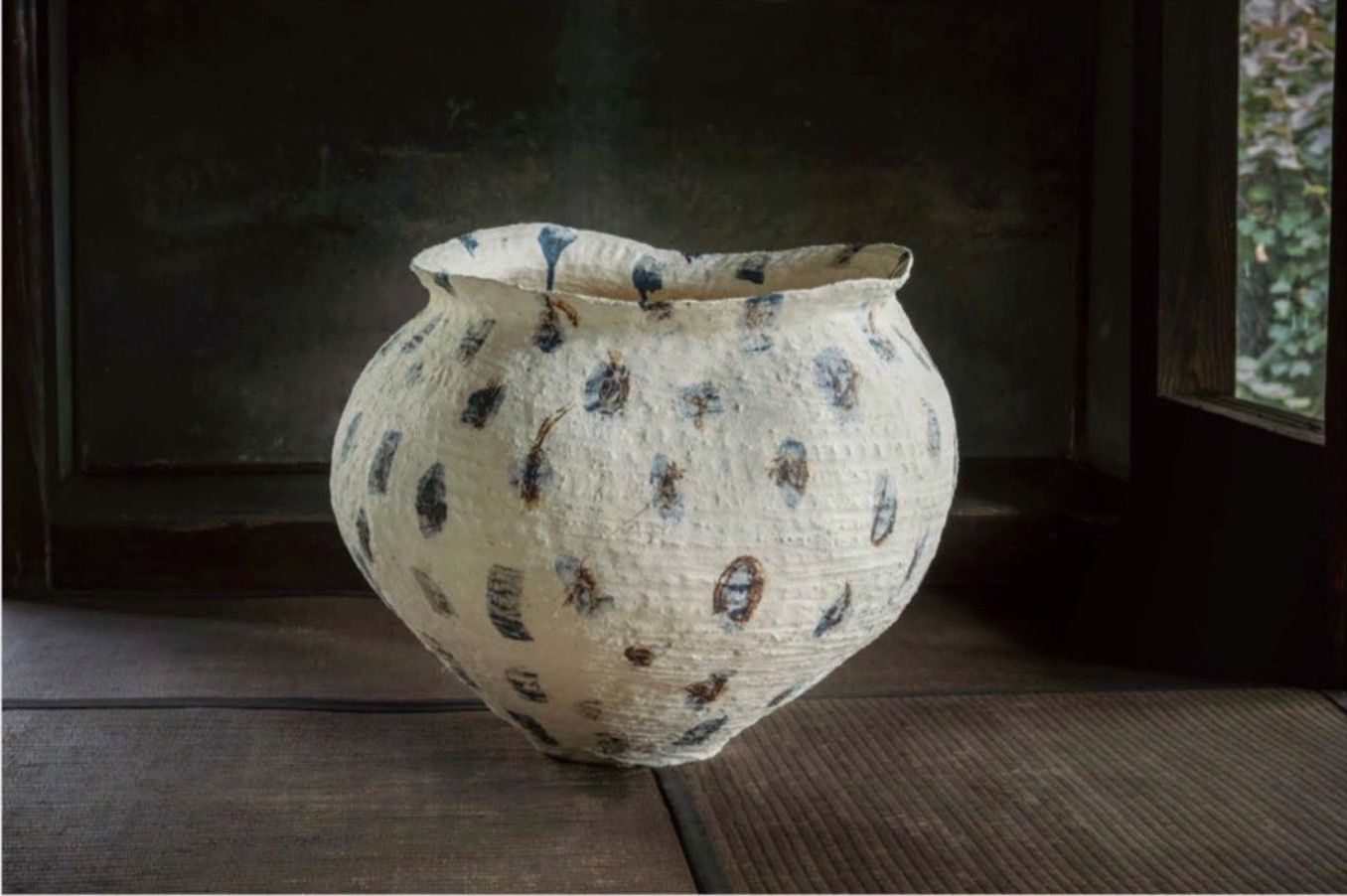
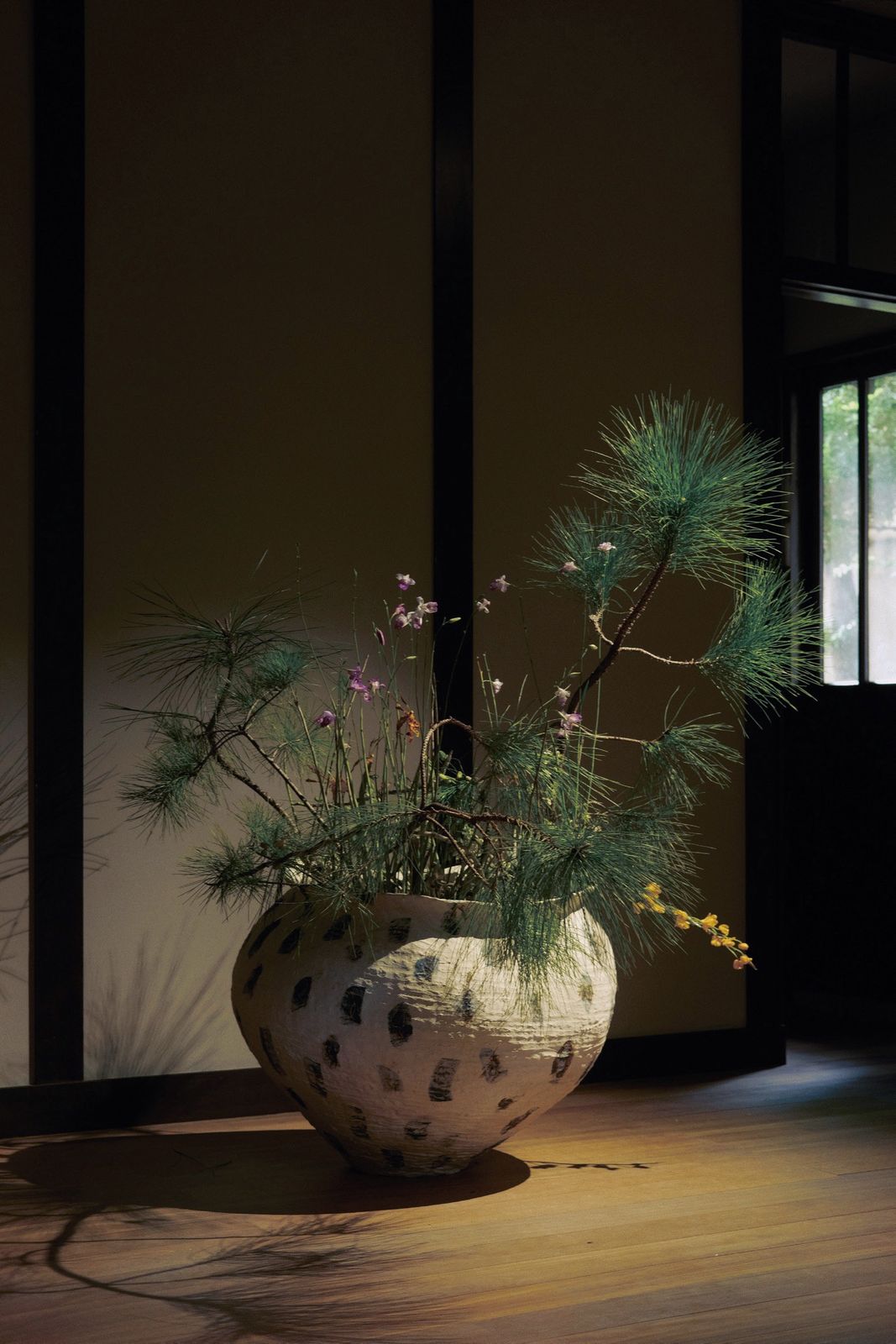
Untitled, 2025. Flowers, plants. Site-specific commission for PU SHIANG, arranged in Kazunori Hamana’s Untitled, 2021, and changed through the exhibition.
《Untitled》,2025。花、植物。樸湘委託的現地創作,插於 Kazunori Hamana《Untitled》(2021)之中,展期內隨季節更換。
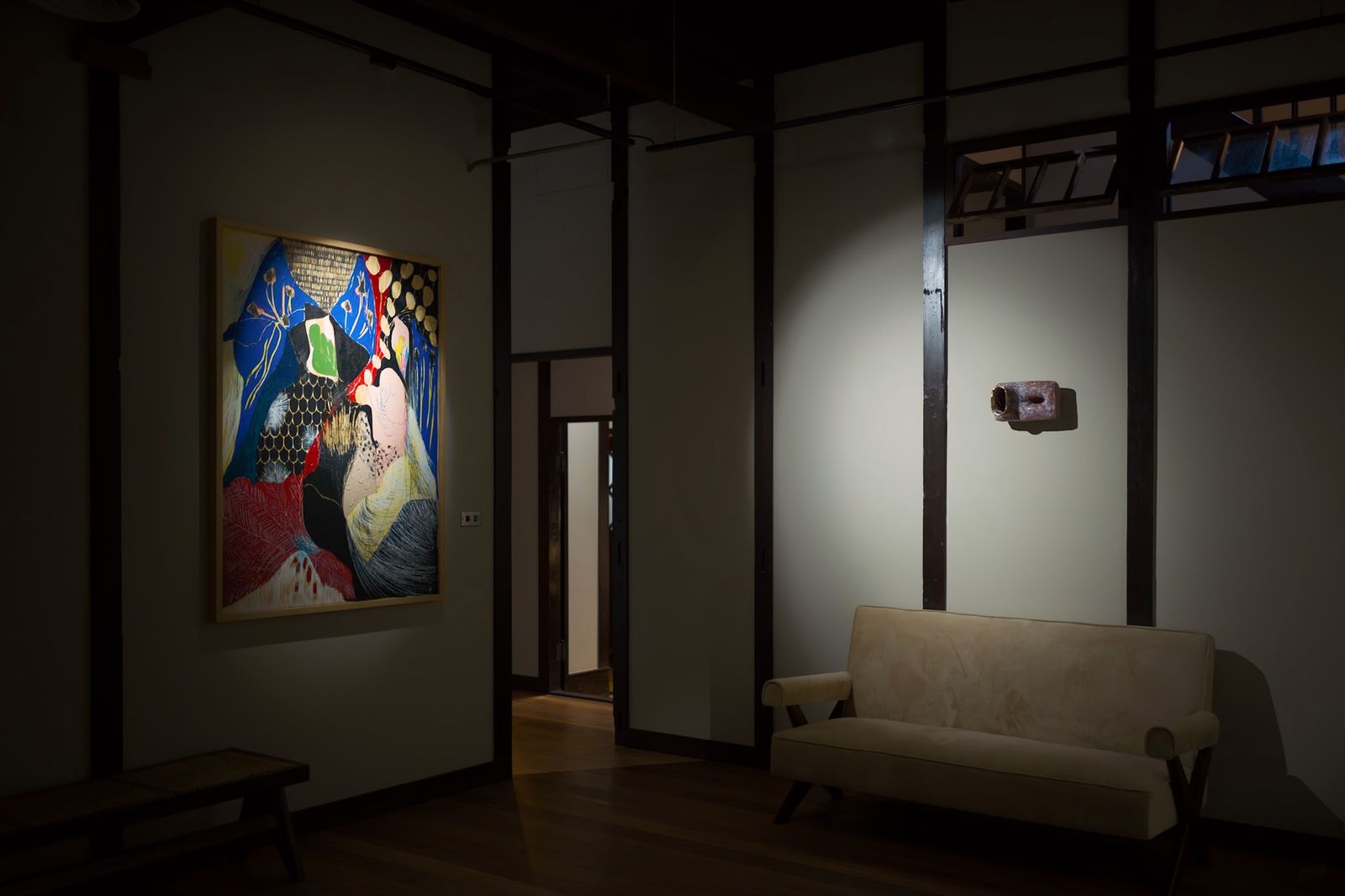
1035 Collab occupies a Japanese colonial–era hospital building and the doctor’s former residence in Taichung. Restored in 2022 by SYDRO Architecture, it has become a multi-brand collaborative venue. The name “1035” comes from the clinic’s 1920s telephone number, while “Collab” signals cross-disciplinary collaboration. Bringing together a specialty café, an architecture office, a gallery space, and a baking studio, the historic building has been reimagined as a place suited to contemporary life.
「1035 Collab」是位於台中的日治時期的醫院建築及醫生私宅,2022 年由 SYDRO 建築設計事務所完成修復後,成為結合多品牌共同經營的空間。名稱「1035」取自 1920 年代診所的電話號碼,「Collab」則象徵跨界合作。結合了精品咖啡廳、建築師事務所、藝廊空間及烘焙工作室,以歷史建築空間共同打造符合當代生活的場所。
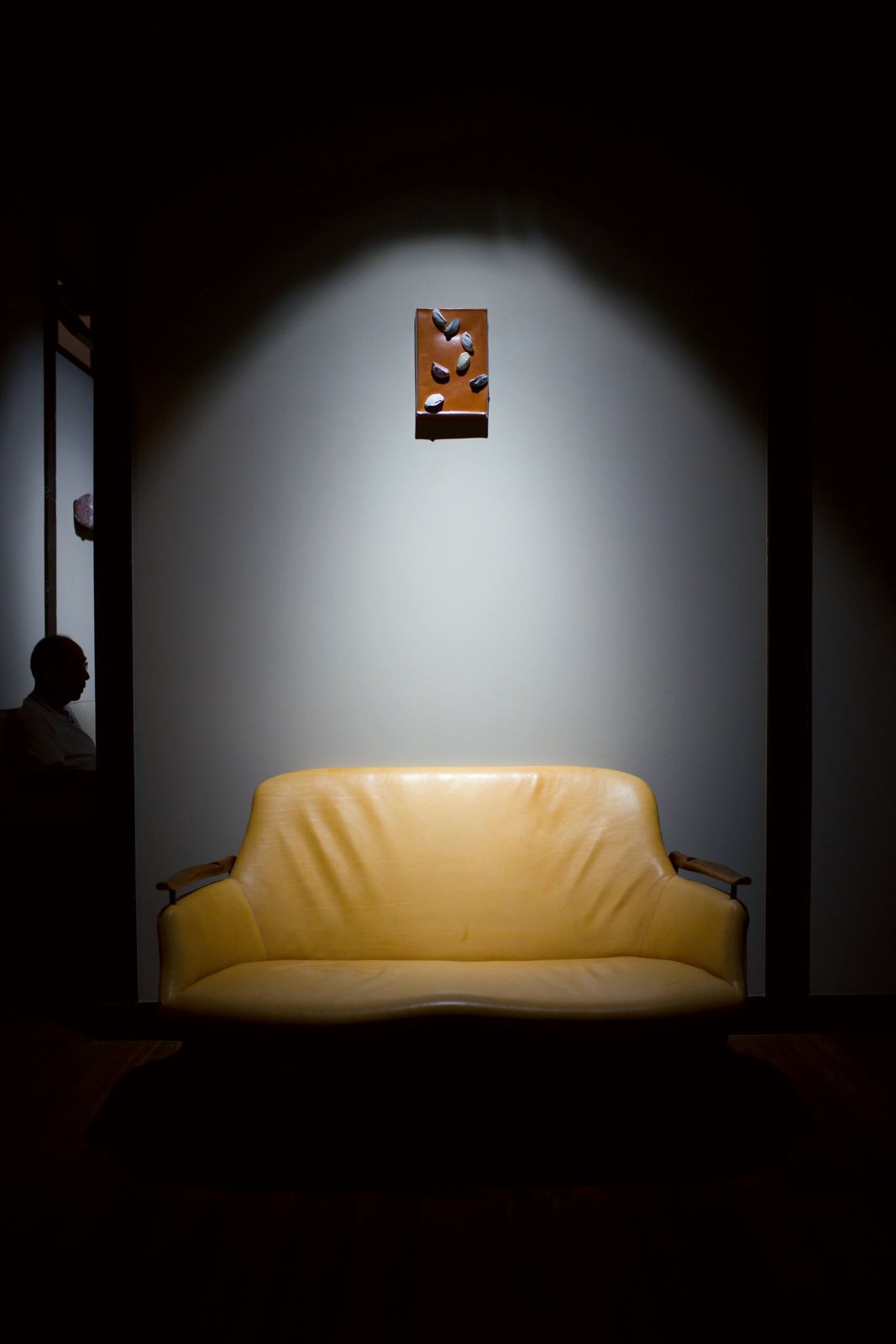
Instagram →Furniture for this exhibition is provided by GFG. Established in 2014, GFG is a gallery specializing in twentieth-century modern design. Framed by design history and cultural context, it guides collectors toward a deeper understanding of the beauty of materials, craftsmanship, and the spirit of the era embodied in classic furniture. The collection includes works by many canonical designers, from Finn Juhl, Hans J. Wegner, and Poul Henningsen to Pierre Jeanneret and Jean Prouvé. In addition to its showroom in Dashu, Kaohsiung, GFG opened a Taichung outpost at 1035 Collab in 2022, showcasing the seamless integration of modern furniture and architectural space.
此次展覽家具由 GFG 提供。GFG 成立於 2014 年,是一間專注於 20 世紀現代設計的藝術家具藝廊,致力於以設計史與文化脈絡,引領收藏者深入理解並感受經典家具背後的材質之美、工藝價值與時代精神。館藏涵蓋眾多經典設計大師之作,從耳熟能詳的 Finn Juhl、Hans J. Wegner、Poul Henningsen、Pierre Jeanneret 到 Jean Prouvé,皆可在此一覽。除了高雄大樹的展間之外,GFG 於 2022 年進駐台中 1035 Collab,展現現代家具與建築空間美學的完美融合。
gfgart.com →